
Understanding the House Edge
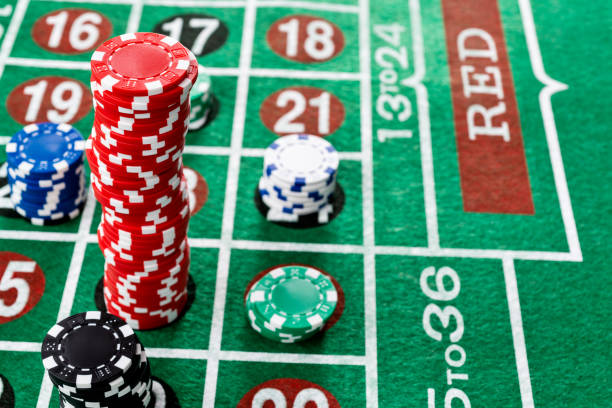
The concept of the house edge is fundamental to the operations of any gambling establishment. In simple terms, the house edge represents the statistical advantage that the casino holds over players in any given game. This advantage is expressed as a percentage and is built into the rules of the games offered. For instance, in games like roulette, the presence of a zero or double zero on the wheel ensures that the house always has an edge, regardless of the players’ strategies. Understanding this concept is crucial for anyone looking to engage with casino games and explore online casino sister sites that offer various gaming options, as it highlights the inherent risks involved in gambling.
Different games come with varying levels of house edge, which can greatly influence a player’s chances of winning. For example, blackjack typically has a lower house edge compared to slot machines, making it a more favorable game for strategic players. However, even in games with a low house edge, consistent winning is a challenge due to the randomness of luck involved. Thus, while understanding the house edge is essential, it is equally important to recognize that it cannot be entirely beat—only minimized through skillful play and strategic choices.
Moreover, the house edge guarantees that the casino remains profitable over time. This means that, while individual players may experience short-term wins, the odds are ultimately stacked in favor of the casino over an extended period. Players who underestimate the significance of the house edge often leave disappointed, having lost more than they anticipated. Therefore, a thorough comprehension of the house edge not only prepares players for realistic expectations but also helps them make informed decisions about their gambling habits.
Strategies to Mitigate the House Edge
While beating the house edge entirely is nearly impossible, players can adopt specific strategies to mitigate its impact. One effective approach is to educate oneself about each game’s rules and optimal strategies. For instance, in blackjack, players can utilize strategies such as card counting or basic strategy charts to make decisions that minimize the house edge. By understanding when to hit, stand, double down, or split, a player can enhance their chances of coming out ahead in the long run.
Another useful strategy involves bankroll management. This entails setting limits on spending and adhering to them strictly. By controlling how much money is put into play, a player can extend the duration of their gaming experience and reduce the chances of significant losses. Additionally, players should be aware of the different betting options available within games, as some bets may carry a lower house edge than others. Smart betting choices can help preserve a player’s bankroll and keep the game enjoyable.
Lastly, players should explore promotions and bonuses offered by casinos. Many establishments provide sign-up bonuses, cashbacks, or loyalty rewards, which can augment a player’s bankroll. By capitalizing on these offers, players can play longer and increase their chances of a favorable outcome. However, it’s crucial to read the terms and conditions associated with these bonuses, as they often come with wagering requirements. In summary, while the house edge poses a challenge, intelligent strategies and effective money management can enhance a player’s overall gaming experience.
The Role of Skill vs. Luck
The dichotomy between skill and luck is a significant aspect of casino games. In some games, skill plays a crucial role in determining the outcome, while others are mostly reliant on chance. For instance, in poker, players utilize strategic thinking, psychology, and mathematical calculations to outsmart their opponents, making skill a predominant factor in winning. However, even the most skilled players will encounter luck, which can sway the results in unpredictable ways.
Conversely, games like slots or roulette heavily depend on luck, with little to no skill involved. In these cases, the outcome is determined by random number generators or the whims of the spinning wheel. While players can employ various strategies in these games, success ultimately boils down to chance. This highlights the importance of understanding one’s strengths and weaknesses, as attempting to apply skill-based strategies in purely luck-driven games may prove futile.
This interplay between skill and luck also affects player expectations. Those who favor skill-driven games may walk into a casino with a mindset geared toward strategy, whereas players drawn to luck-based games may come with the hope of a big win without considering the mechanics involved. A balanced understanding of both elements can lead to a more informed and realistic approach to gambling, ultimately enhancing both enjoyment and potentially mitigating losses over time.
Long-Term Perspectives on Winning
For many, the thrill of visiting a casino stems from the exhilarating possibility of winning. However, it is essential to adopt a long-term perspective when evaluating success in gambling. Short-term victories can be exhilarating, but they can also lead to overconfidence or reckless betting. Understanding that gambling is not a reliable source of income is vital for maintaining a healthy attitude toward casino gaming.
Successful gamblers often approach their experiences with a mindset focused on entertainment rather than profit-making. This perspective allows them to enjoy the games for what they are—a form of leisure—without succumbing to the pressure of chasing losses or seeking substantial wins. By prioritizing enjoyment over profit, players can make more rational decisions, ultimately leading to a more sustainable gambling habit.
Additionally, analyzing long-term results can help players develop effective strategies that suit their playing style. Keeping track of wins and losses, and assessing which games provide better returns, allows players to refine their approach over time. Those who engage in gambling with a long-term viewpoint may find an equilibrium between their enjoyment and their financial limits, ensuring a more positive overall experience at the casino.
Exploring Responsible Gaming
Responsible gaming is a critical aspect of participating in any form of gambling, including casino gaming. Understanding the risks involved and knowing when to stop are integral to maintaining a healthy relationship with gambling. Casinos often provide resources to support responsible gaming, including self-exclusion options, limits on deposits, and access to counseling services. Players should take advantage of these resources to protect themselves from problem gambling.
Furthermore, setting clear boundaries before entering the casino can help mitigate the risks of overspending or chasing losses. Establishing a budget and sticking to it ensures that players do not exceed their financial means. This rule applies not only to money but also to time spent in the casino. Allocating a specific timeframe for gaming can prevent excessive time spent playing, which may lead to unhealthy gambling behaviors.
Ultimately, promoting responsible gaming contributes to a safer and more enjoyable casino environment for all. Awareness of the potential pitfalls associated with gambling enables players to make informed decisions that enhance their overall experience. By fostering a culture of responsible gambling, casinos can support their patrons in enjoying the thrill of gaming without the associated dangers, creating a balanced and entertaining atmosphere.