
Choosing an online casino is easier when the game catalogue matches the way you prefer to play. Instead of opening titles at random, Canadian players can compare categories, providers, formats and available demo options before deciding where real-money play belongs in their budget. The lanista casino online experience brings slots, table games, live dealer content, crash-style titles, jackpots and game-show formats into one browser-based lobby. A sensible discovery process helps you narrow that broad selection without treating short-term results as evidence of future winnings.

Start with the format, not the title
A large lobby can feel overwhelming because familiar and unfamiliar games appear together. Begin by deciding what kind of session you want. Slots suit players who prefer automated rounds and varied themes, while roulette, blackjack and baccarat offer traditional table formats. Poker and video poker require a different approach, and Sic Bo or dice-style games may appeal to people who enjoy simple outcome-based play. Jackpot games add another layer, but their prize structure should be read carefully rather than assumed to improve your chances.
Live casino provides streamed tables with dealers, including roulette, blackjack, baccarat, poker, dice and game-show formats. This can feel more social than a standard digital table, but it may also involve different table limits, pace and availability. Crash-style games likewise have their own rhythm and risk profile. A category label tells you the broad format, not every important condition, so open the individual game information before staking money.
For a first pass, use a simple sequence:
- Choose a category that matches your preferred pace.
- Compare several titles rather than selecting the first result.
- Check the displayed rules, limits and game information.
- Decide on a session budget before playing.
This approach keeps discovery practical. It also prevents a promotional banner, attractive artwork or a large jackpot figure from making the decision for you.
Use providers to narrow a broad catalogue
Provider filters are useful when a category still contains too many choices. The catalogue includes names such as Pragmatic Play, Playtech, Novomatic, Playson, Hacksaw Gaming, 3 Oaks Gaming, Amusnet, Spinomenal, Betsoft, Yggdrasil, ELA Games, Fazi, Booming Games and Thunderkick. Other listed studios include Quickspin, Evoplay, Red Rake, Swintt, Oryx and EGT Digital. Searching by provider can help you locate a familiar visual style or mechanics without relying on a general “popular” label.
Provider recognition should not be confused with a guarantee of quality or results. A studio may produce several types of games, and two titles from the same company can differ substantially in volatility, bonus features, paylines and maximum prizes. Read the paytable and rules for the specific game. If the game displays return-to-player information, treat it as a long-run mathematical measure, not a forecast for one evening.
Live content can be narrowed in a similar way. The available material refers to Pragmatic Live and other live providers, including OnAir, Stakelogic, Bombay Live, Iconic21, Winfinity, Imagine Live and VivoGaming. Provider names can help you return to tables you understand, while category filters help separate live roulette from live blackjack or game shows. Keep notes about what you actually enjoy, rather than chasing a title because it appeared prominently in the lobby.
Try eligible demos before committing funds
Demo play can be a useful screening tool for at least part of the slot catalogue. Reported materials indicate that some slot titles can be opened without registration, allowing you to see the interface, payline structure, bonus rounds and general pace. That makes a short practice session valuable for deciding whether the controls are clear and whether the presentation suits you before real-money play enters the picture.
A demo does not establish that a game is favourable, nor can a brief session verify its long-run return or volatility. Random outcomes remain random, and a run of wins or losses in practice says nothing reliable about what happens later. Use the mode to learn navigation and rules, not to predict a cash result. If a title has a special feature, read how it is triggered and whether its conditions differ from ordinary spins.
When comparing games, record practical observations rather than emotional reactions. You might check whether the bet controls are easy to adjust, whether the paytable explains symbols clearly, and whether the bonus round has rules you understand. Then ask:
- Do I understand how a winning combination is formed?
- Are the minimum and maximum stakes suitable for my budget?
- Does the game’s pace encourage rushed decisions?
If the answers are unclear, choose another title or seek clarification through support. Familiarity is more useful than novelty when building a controlled game shortlist.
Compare live tables with digital games
Digital table games and live dealer tables can share a name while offering different experiences. A digital roulette game is generally quick and available whenever the lobby supports it. A live table adds a streamed dealer, a visible table and a set operating schedule. Blackjack may also differ through table rules, side bets, seat availability and betting limits. Read the displayed information for each table instead of assuming every version follows identical rules.
Game-show formats, live dice and live poker broaden the live section beyond classic casino tables. Their entertainment style may be more prominent, but the underlying wagers still need careful attention. Side bets can have separate odds and conditions, and faster presentation can make it easy to exceed a planned stake. Decide whether you want conversation and spectacle or a quieter, more deliberate interface before choosing the format.
A useful comparison is based on control and cost. Check the table’s minimum stake, maximum stake, rules, side-bet availability and expected session length. For digital titles, examine the same information in the game menu. If a table is unavailable or outside your budget, do not treat that as a reason to move immediately to a higher-stakes option. Another category, a demo slot or a later session may be the more sensible choice.
Build a balanced discovery routine
Once you have found several promising games, organise them into a small personal shortlist. Include more than one format, such as a slot, a digital table game and a live option, but do not feel obliged to play all of them in one session. A shortlist reduces browsing time and makes it easier to notice whether you are choosing games deliberately or simply following the latest banner, tournament or challenge.
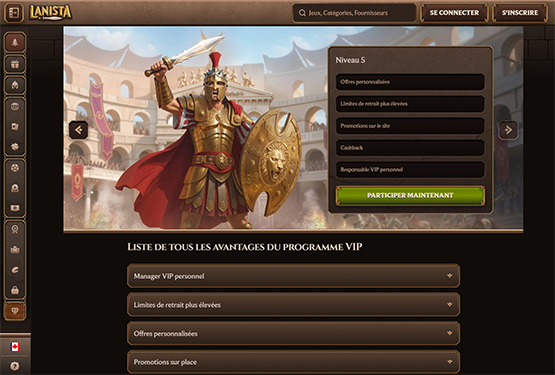
Promotions, Coins, tournaments and VIP features can add another reason to explore the lobby, but they should remain secondary to game suitability. The available materials describe Coins earned through deposits, casino play, sports betting, challenges and tournaments, with potential use in a Bonus Shop. Such mechanics may change how a session feels, yet they do not remove wagering risk. Read the applicable promotion terms before allowing a reward to influence your choice.
Finish each session with a brief review. Note the categories you enjoyed, the limits that felt manageable and any rules you still need to understand. Set a time and spending boundary in advance, then stop when either limit is reached. Account support describes responsible-play options including temporary restriction or self-exclusion through support; if gambling stops feeling recreational, use those controls rather than trying to recover losses through another game.
FAQ
Can I browse games without registering?
Some slot demos are reported to be available without registration, although this does not necessarily apply to every title or category. Demo access is for learning the interface and rules. Check the game lobby and operator information for current availability, and do not treat practice results as evidence of likely real-money performance.
Are games from one provider essentially the same?
No. A provider may release games with different mechanics, volatility, bonus features, stake ranges and paytable structures. Use the provider filter to narrow your search, then inspect each individual title’s rules and information. Familiar branding can help discovery, but it should not replace game-by-game comparison.
How should I choose between live and digital tables?
Consider pace, minimum stakes, table rules, side bets, availability and the level of interaction you want. Digital tables may be quicker, while live tables add a dealer and streamed environment. Compare the specific game information and choose the option that fits your budget and planned session length.