
Exploring Casinos Worldwide: A Cultural and Economic Overview
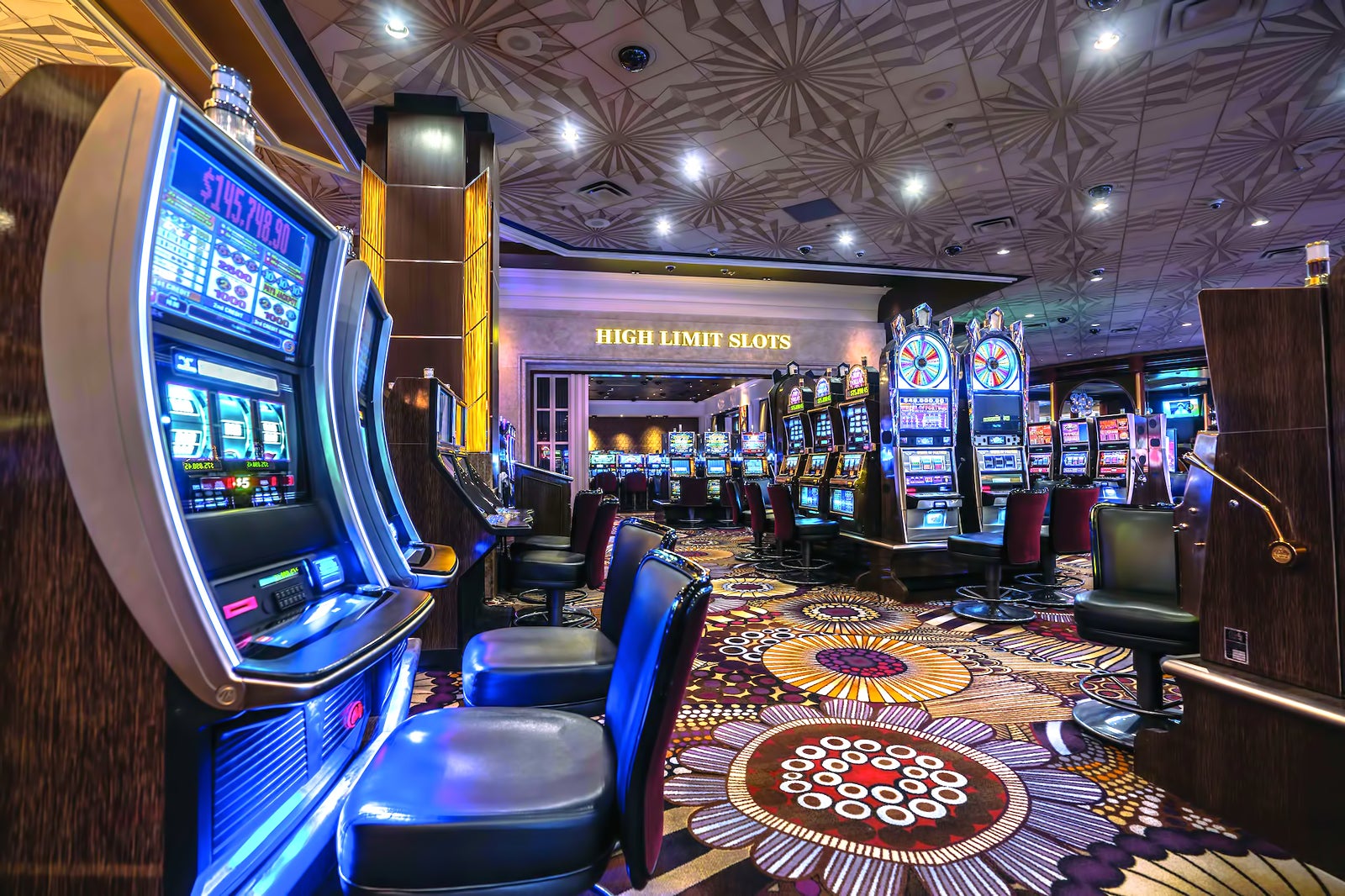
Casinos have been a centerpiece of entertainment and tourism for centuries, evolving from simple gambling houses to extravagant resorts. Today, they are not just places for high-stakes gaming; they are significant cultural and economic institutions. As we delve into the world of casinos, we will also look at casinos worldwide international casino sites, which have changed how people engage with gambling.
The History of Casinos
The concept of gambling dates back to ancient civilizations. The earliest evidence of gambling found in China dates to 2300 BC, while the Romans also enjoyed games of chance. The modern casino as we know it began to take shape in the 17th century in Italy. The Casino di Venezia is considered the first official casino, established in 1638. As gambling spread throughout Europe, establishments sprouted up from Cannes to Monte Carlo, leading to the grand casinos we recognize today.
Global Casino Hubs
Today, several cities are renowned for their vibrant casino scenes. Las Vegas, the gambling capital of the world, boasts a plethora of gaming options and entertainment avenues. Its glitzy hotels and themed casinos attract millions of visitors annually. On the other hand, Macau has risen as a contender, surpassing Las Vegas in revenue and becoming the largest gambling market worldwide. In addition to these, cities like Atlantic City, Singapore, and Melbourne are also pivotal in the global casino landscape.
Las Vegas: The Entertainment Capital
Las Vegas is synonymous with casinos. The city’s iconic Strip features some of the world’s largest and most luxurious casinos, including Caesars Palace and The Venetian. More than just gambling, Las Vegas offers live shows, fine dining, and nightlife, making it a comprehensive entertainment hub. The city’s casinos generate massive revenue, with the gaming industry alone contributing billions to the Nevada economy.
Macau: The Rising Star
Macau, often referred to as the „Gambling Capital of the World,” has experienced rapid growth since the government allowed casinos to operate in 2002. With its unique blend of Portuguese and Chinese culture, it offers visitors a stunning mix of experiences. The Sands China and Wynn Macau are just a couple of examples of the opulence found in this bustling city. The significant revenue generation has also contributed to the local economy and infrastructure development.
The Cultural Significance of Casinos
Casinos often reflect the culture and history of their locations. They are not just about gambling; they are communal spaces where social interactions thrive. In many cultures, gaming houses have historical significance, serving as meeting points for community gatherings. Moreover, some casinos embrace local art and architecture, offering visitors a unique glimpse into the region’s culture. For instance, the design of the Bellagio in Las Vegas honors Italian and Mediterranean styles, while Casino Lisboa in Macau showcases Portuguese influences.
The Role of Technology in Modern Casinos
As technology has advanced, so too have the ways we engage with casinos. The integration of high-tech gaming machines and virtual reality environments has reshaped the traditional gambling experience. Players can now interact with games in more immersive ways, and online casinos have made gambling accessible from the comfort of home. Virtual reality casinos are on the horizon, promising an even more interactive and realistic gaming experience.
Online Casinos: A New Frontier
With the rise of the internet, online casinos have gained immense popularity. Websites like Bet365 and 888 Casino allow players to access a wide range of games from anywhere in the world. The convenience and accessibility of online gambling appeal to a broader audience and have played a significant role in the growth of global gaming. However, this shift comes with regulatory challenges as governments work to ensure fair play and protect consumers.
Responsible Gambling Initiatives
With the rise of casinos worldwide comes the responsibility to promote responsible gambling. Many casinos have implemented initiatives aimed at educating players about the risks associated with gambling. Programs that encourage self-exclusion, provide resources for problem gamblers, and employ staff trained in responsible gambling practices are becoming more common. The goal is to create a safe environment for players while still maintaining the thrill and excitement that gambling provides.
The Economic Impact of Casinos
Casinos contribute significantly to local and national economies. They create jobs, boost tourism, and generate tax revenue. In Las Vegas, for example, the gaming industry is a vital part of the economy, supporting dozens of businesses and providing employment opportunities for thousands. This economic contribution extends beyond direct casino operations, impacting hotels, restaurants, and transportation services.
The Future of Casinos
The future of casinos will likely be shaped by various factors, including technology, consumer preferences, and regulatory changes. The integration of AI and machine learning could revolutionize gaming experiences, making them more personalized. Furthermore, as younger generations become more involved in gambling, casinos will need to adapt their offerings to meet new demands, focusing on entertainment and social engagement rather than just gaming.

Conclusion
Casinos worldwide serve as more than just venues for gambling; they embody cultural heritage, economic pillars, and entertainment hubs. As we look to the future, the dynamism of the casino industry will continue to evolve, embracing technology while maintaining the social and cultural aspects that have shaped them for centuries. Whether in bustling cities or the comfort of our homes, the allure of casinos is undeniably captivating, promising to remain an integral part of our global entertainment fabric.