

UK horse racing is a sport steeped in tradition, capturing the hearts of millions across the globe. However, there are times when this beloved pastime faces interruptions, leading to significant implications for fans, bettors, and the industry as a whole. In this article, we delve deep into what happens when horse racing is not on in the UK, exploring challenges and opportunities that arise during these periods. Additionally, we’ll touch upon alternatives available to avid racing fans, such as UK Horse Racing Not on GamStop horse racing not on GamStop.
1. The Essence of UK Horse Racing
Horse racing in the UK has a rich history that dates back centuries. It is not only a sport but a cultural event that brings together families, friends, and communities. Major events like The Grand National and Royal Ascot showcase the beauty, skill, and competition inherent in the sport. However, what happens when the races are canceled or postponed due to unforeseen circumstances, such as severe weather, health crises, or other disruptions?

2. Impact on Followers and Punters
For betting enthusiasts, the cancellation of races can be particularly challenging. Betting markets thrive on the predictability of scheduled events. When races are not on, punters face a void in their regular betting routines. This can lead to a surge in demand for alternative betting options, including virtual races or less popular sports, as fans seek to fill the gap left by the absence of traditional horse racing.
3. The Economic Ramifications
The economic impact extends beyond just punters. Horse racing generates substantial income not only through betting but also through hospitality, tourism, and associated businesses. When races are not held, venues miss out on revenue from ticket sales, food and beverage services, and sponsorship deals. Local economies, particularly in regions where racing is prevalent, can take a significant hit. For example, communities that rely on influxes of visitors during major racing events may find themselves struggling financially when races do not occur.
4. The Horse Racing Industry’s Response
In response to interruptions, the horse racing industry has shown resilience. Many organizations have adapted by promoting alternative forms of entertainment and betting. Virtual racing has surged in popularity, allowing fans to engage
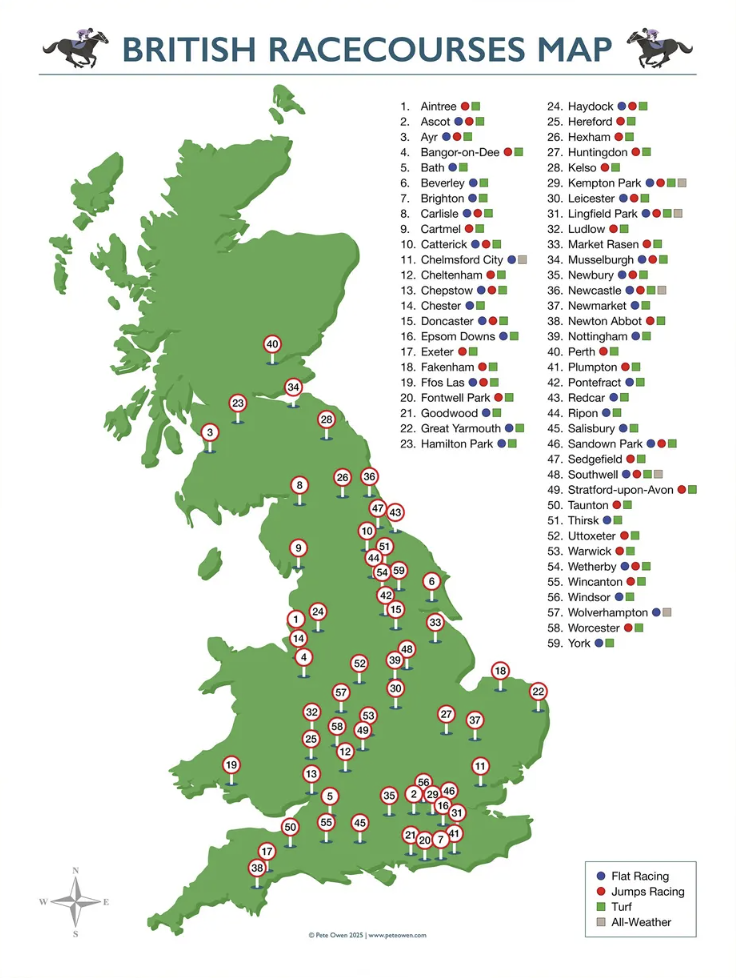
in the thrill of betting even when real races are absent. Furthermore, racing organizations have increased their presence online, providing fans with streaming services and virtual experiences that simulate the excitement of attending a race live.
5. Staying Engaged with the Sport
When horse racing is not on, fans can stay engaged with the sport in various ways. Online platforms provide extensive coverage of past races, expert analysis, interviews with jockeys and trainers, and interactive forums for enthusiasts to connect. While these alternatives may not fully replicate the excitement of live racing, they serve to maintain the community’s passion for the sport.
6. The Role of Technology in Horse Racing
Technology has played an increasingly significant role in the horse racing industry. Innovations in data analytics, streaming services, and betting platforms provide fans with unprecedented access to information and betting opportunities. During periods when horse racing is not on, the industry can leverage these technological advancements to engage with their audience through informative content, betting tips, and virtual events.
7. The Future of Horse Racing
Looking ahead, the UK horse racing industry must continue to innovate and adapt to changing circumstances. Embracing new technologies, enhancing guest experiences, and diversifying events can help mitigate the effects of cancellations. The rise of online communities allows racing enthusiasts to continue sharing their passion, even when physical events are not taking place.
8. Exploring Alternative Betting Options
For those who find themselves missing the thrill of the racetrack, various alternative betting options are worth exploring. Online platforms that offer betting on different sports or virtual horse racing can provide the excitement that fans crave. Some platforms cater specifically to individuals looking for options beyond traditional horse racing, thus ensuring that the betting excitement continues even when races are not on.
9. Conclusion: Embracing Change in the UK Horse Racing Landscape
In conclusion, while interruptions in UK horse racing can present substantial challenges, they also provide an opportunity for the industry to evolve in response. By embracing technology, exploring new betting avenues, and fostering community engagement, the horse racing world can maintain its vibrant culture and continue to attract passionate fans. As we navigate the uncertainties that come with racing not on, the strength and resilience of the horse racing community will undoubtedly shine through.